When you or a family member breaks a bone, or is suspected of having an illness, tumor or another condition, a radiology exam may be ordered.
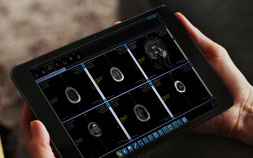
Radiology, through different types of procedures and techniques, uses imaging technology to see inside your body. A diagnostic radiology exam allows a physician to pinpoint the cause of symptoms you’re experiencing, screen for different illnesses, like breast cancer, colon cancer, or heart disease and monitor how well your body is responding to a treatment you’re undergoing
In order to do this, we have established our practice with attention to what you need and expect from your dental practice and your doctor. We feel privileged to be in a position to serve. This is your practice too, which is why we embrace your opinions, good or bad. We will rejoice in having served you well.
We seek to know what you really need as a person seeking help to serve you better. This is why we
carefully consider how to communicate with our patients, why we try to never turn away a person
who is in pain and also why we always try our very best to ensure you have the access you need to
our expertise. Our care for you is a continuous effort and it does not end with you leaving the
premises of the practice. This is portrayed through our communication, follow-up appointments and
reminders – to ensure your needs as a patient, and as a person, are always taken into consideration.
Most common radiology services
The most common types of radiology services include:
General Radiology
General radiology exams use standard x-ray technology, which can detect arthritis, fractures and pneumonia.
CT Scan
Also known as a computerized axial tomography (CAT) scan, this high-resolution imaging exam is performed to allow doctors to see many conditions and diseases that standard x-rays cannot detect, such as small tumors and disease progression.
Ultrasound
This technology sends out high-frequency sound waves that reflect off body structures. A computer receives the waves and uses them to create images of organs inside the body. Ultrasound is used during gynecologic and pregnancy exams, and to identify problems related to arteries in the neck, arm or leg veins, the abdomen, kidneys, thyroid, eyes and other parts of the body.
Dexa Scan
Dual-energy x-ray absorptiometry (DEXA), is an enhanced form of x-ray
technology that measures bone loss. DEXA is considered the standard by which bone mineral density is measured.
3 Tesla MRI
3 Tesla MRI uses radio waves and a powerful magnet linked to a computer to
produce detailed pictures of areas inside the body. With this technology, doctors can see the difference between normal and abnormal tissue when diagnosing or gauging the
progression of diseases like cancer.
Screening Mammography
These low-dose X-rays can detect unsuspected breast cancers in their early stages. Screening mammography examines a woman’s breasts to detect cancer too small to be felt as a lump
Nuclear Medicine
With the ability to identify disease in its earliest stages, nuclear
medicine is a valuable imaging technology. The procedure uses small amounts of radioactive
materials (radiotracers) that are injected, inhaled or swallowed. The radiotracer travels
through the area being examined and gives off gamma ray energy, which is detected by a special camera and a computer to create images.
Interventional Radiology
Interventional radiologists perform a broad range of procedures
(X-ray, MRI scans, fluoroscopy to see internal organs in motion, CT scans and ultrasounds) to
capture images inside your body. This remarkable imaging technology can be employed to treat tumors, take organ biopsies or place stents by inserting tiny instruments or catheters via an artery or vein.
Complete,
compassionate healthcare is close to home
Your family’s optimal health is our priority at Pomona Valley Health Centers. From general checkups
and physicals to OB/GYN care, sports medicine, urgent care and advanced, accurate radiology
services, we make medicine accessible, convenient and hassle-free. We offer four locations
throughout the Inland Empire, a choice of dozens of caring and credentialed doctors, and a longtime
affiliation with SALINEE HEALTHCARE SDN BHD. Come see the difference we can make in your health
and your life.
Silent Features
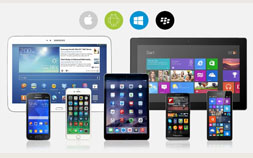
Handheld Device Support
By using handheld device like PDA or Mobile to access the patient data/information and check the reports.
Email Alerts
Generate instant email alert to patient once radiologist reported the X-Ray
Cross Platform
User Interface support with the different operating systems to view or report the Patient x-ray.
Cross Browser Suppport
Support the software with different browser window with different versions